The Audi five-cylinder engine not only powered numerous models from the brand with the Four Rings, but also found its way into vehicles built by other manufacturers. Thanks to its compact design, strong torque and unmistakable sound, it was used both within the Volkswagen Group and by a select number of sports car manufacturers. The following overview shows which vehicles outside the Audi brand were equipped with Audi five-cylinder engines and illustrates how this exceptional engine concept extended far beyond Ingolstadt.
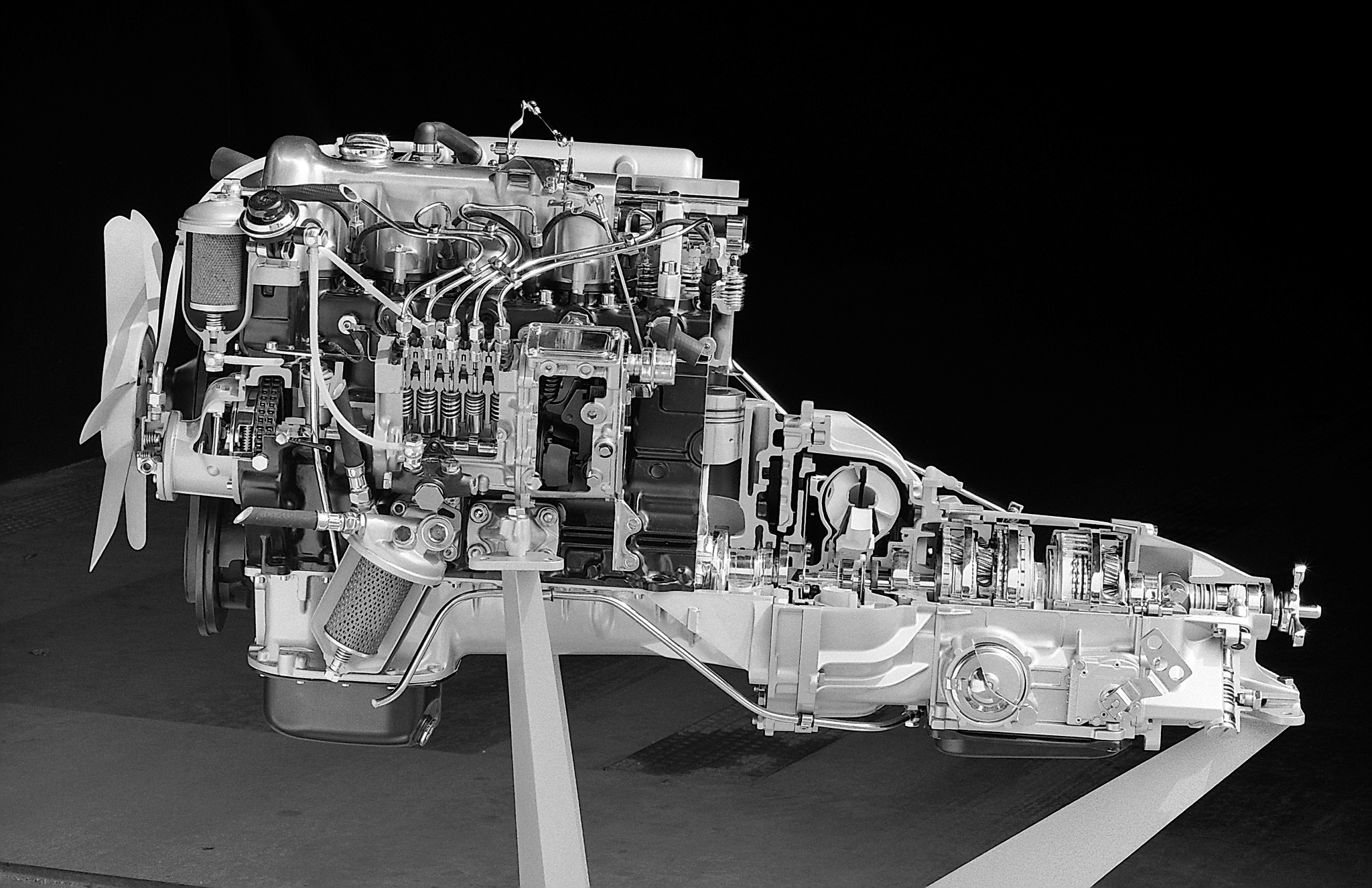
In 1974, Mercedes-Benz became the first manufacturer to introduce a production five-cylinder passenger car engine with the OM617. Initially powering the Mercedes-Benz 240 D 3.0, the 3.0-litre diesel engine earned a reputation as a milestone in diesel engineering thanks to its exceptional durability. It was later offered in turbocharged form and used in saloons, estates, off-road vehicles and vans.
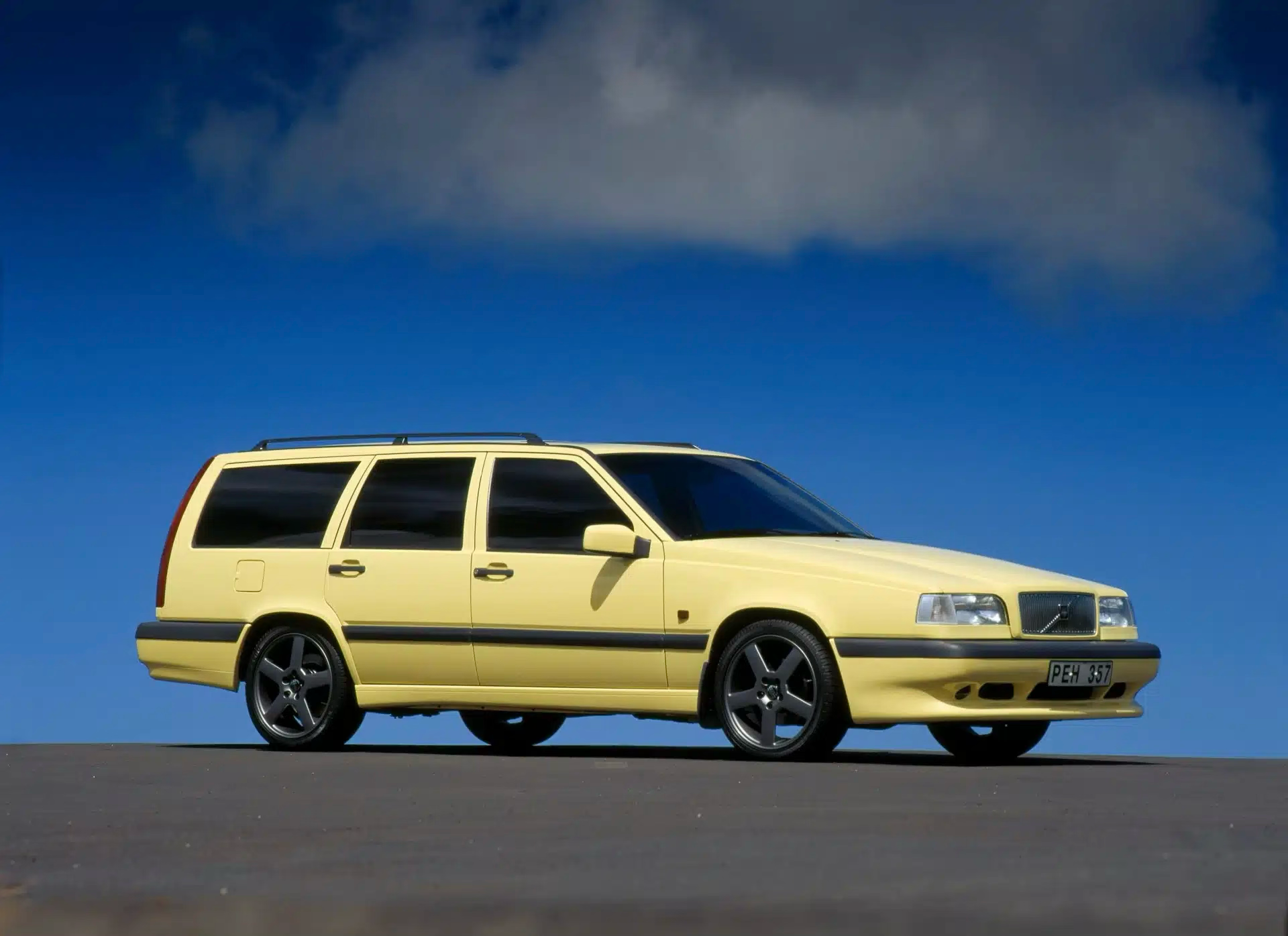
The five-cylinder engine was also particularly successful at Volvo. With the launch of the Volvo 850 in 1991, the Swedish manufacturer established an entire family of five-cylinder petrol and diesel engines. These power units were renowned for their smooth running, strong performance and distinctive sound. Models such as the Volvo 850 T-5R, V70 R and C30 T5 played a key role in shaping the brand’s sporting image.
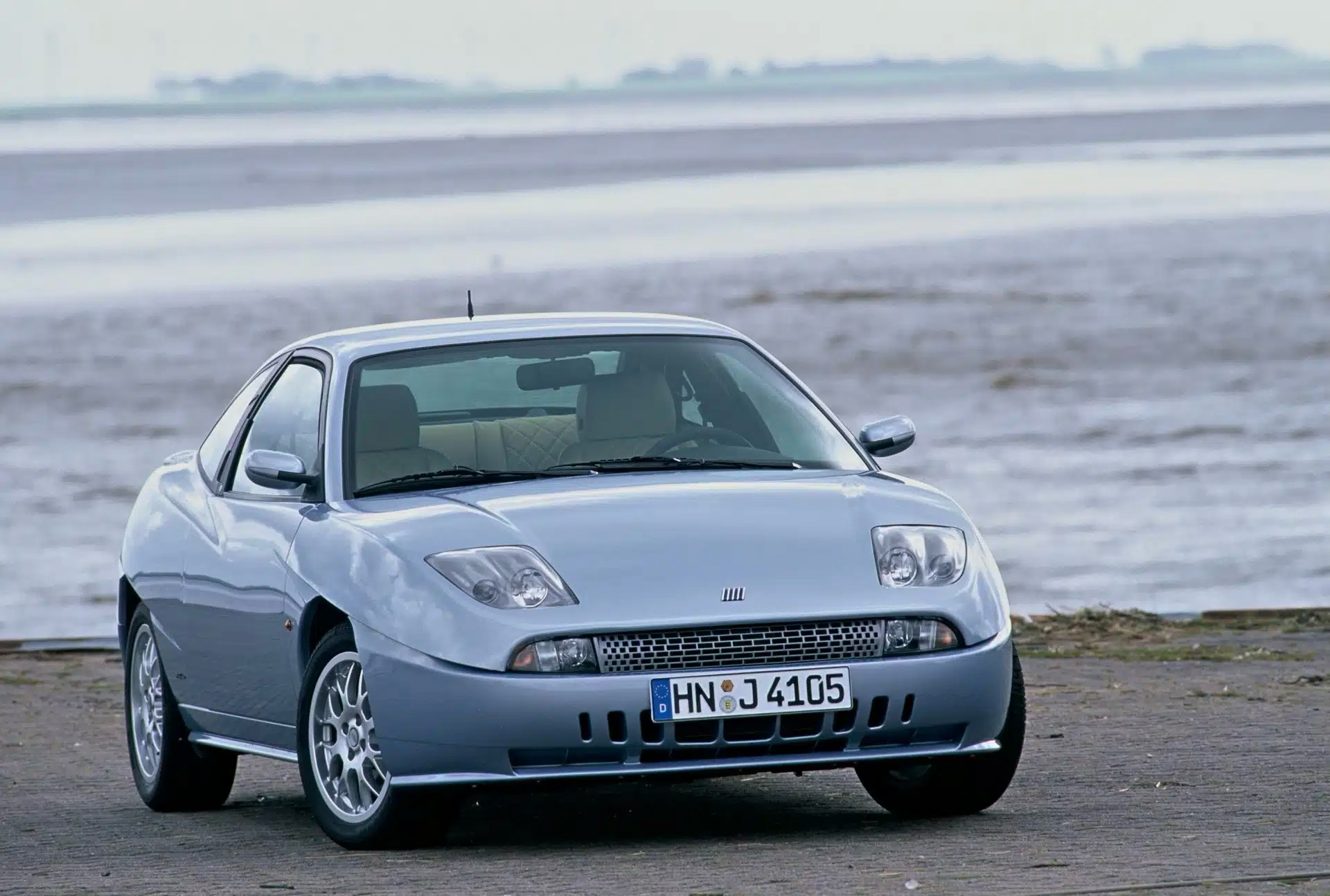
Fiat also embraced five-cylinder technology. Throughout the 1990s and 2000s, both five-cylinder petrol and diesel engines were used in models such as the Fiat Coupé, Marea and Stilo Abarth. The 2.4-litre JTD diesel became particularly well known and was later also used by Alfa Romeo and Lancia. These engines combined strong pulling power with comparatively compact dimensions.
The five-cylinder engine was by no means confined to these manufacturers.